
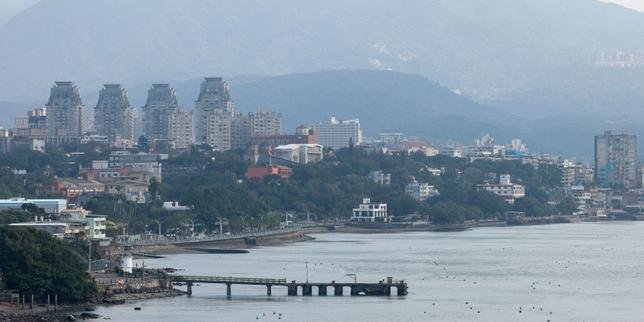
Taiwan is a powerhouse in the manufacturing of semiconductor chips, which are the lifeblood of the global economy, as well as other electronics.
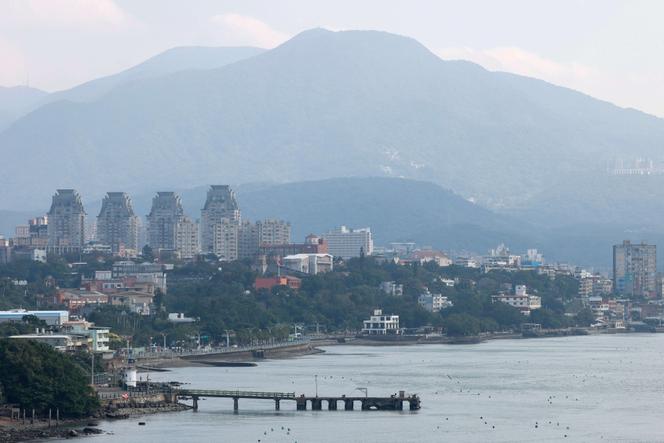
Taiwan has reached a “general consensus” with the United States on a trade deal, the democratic island's negotiators said Tuesday, January 12, after months of talks.
Taiwan and the US began negotiations in April to hash out a trade deal after US President Donald Trump slapped a 32% tariff on Taiwanese exports, which was later lowered to 20%.
Taiwanese President Lai Ching-te has pledged to boost investment in the US as his government tries to further reduce the levy on its shipments, as well as avoid a toll on its semiconductor chip exports.
“The goal of the US-Taiwan tariff negotiations has always been to seek reciprocal tariff reductions without stacking tariffs, and to obtain preferential treatment under Section 232,” the Office of Trade Negotiations said in a statement, adding there was a “general consensus” on these issues.
Section 232 refers to part of the US Trade Expansion Act that allows tariffs to be imposed when national security is found to be at risk. Taiwan is a powerhouse in the manufacturing of semiconductor chips, which are the lifeblood of the global economy, as well as other electronics.
Trump has previously accused Taiwan of stealing the US chip industry and his administration had made clear it wants more of the critical technology made on American soil.